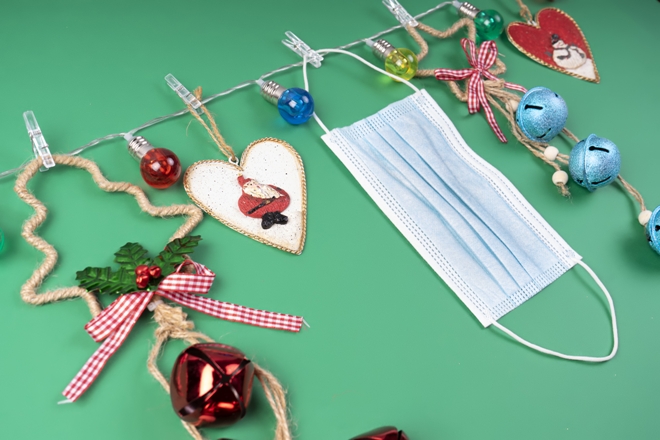
Photo Credit: by wirestock, freepik.com
The holiday season is associated with indulgence, togetherness, and cheer, but it also brings a surprisingly long list of health conditions and medical phenomena that tend to surface around this time of year. Some are driven by changes in behavior, others by environmental exposure, and a few have names so festive they sound almost make-believe.
Yet these conditions are real, clinically recognized, and well documented. From a rare inherited bleeding disorder known as Christmas Disease to heart rhythm disturbances triggered by celebratory drinking, the holidays inspire an entire subset of medical terminology.
Here’s a closer look at the most notable holiday-associated diseases, syndromes, and health risks—and why they tend to spike when the calendar nears the end-of-year merrymaking.
Christmas Disease: A Medical Name with A Misleading Backstory
Despite its cheerful name, Christmas Disease has nothing to do with the holidays themselves.
Christmas Disease is the alternative name for Hemophilia B, a rare inherited bleeding disorder caused by a deficiency in clotting Factor IX. Without enough of this protein, blood does not clot properly, leading to prolonged bleeding after injury and, in severe cases, even spontaneous internal bleeding.
As the Cleveland Clinic explains, “Hemophilia B, once known as Christmas disease, is a rare inherited blood disorder. It causes excessive or unusual bleeding. People with this disease don’t have the usual amount of factor IX, a blood protein that helps your blood clot. It may be called factor 9 or FIX.”
The condition affects approximately 1 in 25,000 males worldwide and is typically passed down through families via the X chromosome.
So where does the name come from?
The disorder was first identified in 1952 in a young patient named Stephen Christmas, and the condition was named after him. Coincidentally, the paper describing the discovery was published in the Christmas issue of a medical journal. The festive association stuck even though the disease itself has no seasonal component.
Today, Haemophilia B is well understood, with treatment options focused on replacing the missing clotting factor. Still, its name remains one of medicine’s most unexpected holiday references.
Holiday Heart Syndrome: When Celebration Disrupts Rhythm
Another condition closely linked to the season is Holiday Heart Syndrome, a term used to describe abnormal heart rhythms—most commonly atrial fibrillation—that occur after episodes of heavy alcohol consumption.
The syndrome was first described in the 1970s, when physicians noticed a spike in otherwise healthy individuals arriving at emergency departments with heart palpitations following weekends, holidays, and festive events.
USA Today reports, “Between Christmas and New Year’s, more people die from heart-related complications than at any other time of the year, research shows. Low outdoor temperatures, increased alcohol intake, and holiday stress have, for decades, been leading factors of what medical experts call ‘holiday heart syndrome.’ Between 1979 and 2001, 53 million deaths due to cardiac arrest were attributed to the holiday heart syndrome.”
What makes Holiday Heart Syndrome notable is that it doesn’t only affect people with known heart disease. It can occur in individuals who rarely drink but engage in occasional binge drinking during celebratory periods.
Alcohol can interfere with the heart’s electrical signals, alter electrolyte balance, and increase stress hormone levels—all factors that can trigger irregular rhythms. In many cases, the arrhythmia resolves once alcohol intake stops, but it can still require medical evaluation.
Unsurprisingly, emergency departments tend to see higher rates of these rhythm disturbances during major holidays and long weekends.
Christmas Tree Syndrome: An Allergy Hidden in Plain Sight
For some people, the holiday season brings less cheer and more sneezing.
Christmas Tree Syndrome refers to allergy-like symptoms triggered by exposure to live Christmas trees brought indoors. Common symptoms include a runny nose, itchy eyes, coughing, wheezing, and asthma flare-ups.
The culprit isn’t usually the tree itself but what comes with it. Live trees can carry mold spores, pollen, and sap, which proliferate once the tree is placed in a warm indoor environment. Studies have shown that mold spore counts in indoor air can rise significantly within days of introducing a live tree.
UCLA Health reports, “studies show that Christmas trees can carry about 50 different types of mold and can increase the number of mold spores in an apartment by more than six times. The longer the tree stays in your home, the higher the mold spore count can get.”
Artificial trees aren’t entirely immune either. Stored decorations can accumulate dust and mold over time, especially when kept in basements or attics. For allergy-prone individuals, holiday décor can become an unexpected trigger for respiratory symptoms that mimic seasonal illness.
Keep extra allergy relief drugs on hand if you’re worried about suffering from your tree.
Seasonal Affective Disorder: When Light Dims
While not exclusive to the holidays, Seasonal Affective Disorder (SAD) often becomes noticeable during late fall and winter, coinciding with the festive period.
SAD is a form of depression linked to reduced daylight exposure. Shorter days can disrupt circadian rhythms and alter serotonin and melatonin levels, which are involved in mood regulation and sleep.
Symptoms may include:
● Persistent low mood
● Fatigue or low energy
● Increased sleep
● Changes in appetite
● Loss of interest in usual activities
According to Mayo Clinic, "If you’re like most people with SAD, your symptoms start in the fall and continue into the winter months, sapping your energy and making you feel moody. These symptoms often resolve during the spring and summer months. … Treatment for SAD may include light therapy (phototherapy), psychotherapy, and medications.”
Because the holidays are often expected to be joyful and social, SAD can feel particularly isolating for those experiencing it. The contrast between expectation and reality may intensify emotional distress during this time of year.
Of course, sometimes prescription antidepressant drugs like Wellbutrin XL are necessary. Talk to your doctor about what’s right for you.
Why Heart Attacks Spike Around the Holidays
One of the most well-documented holiday health patterns is the increase in cardiovascular events during late December and early January. There are always higher rates of heart attacks and cardiac-related deaths on Christmas Day, the day after Christmas, and New Year’s Day.
Several factors are believed to contribute to what is sometimes dubbed the Christmas Coronary effect:
● Increased emotional stress
● Disrupted routines
● Overeating rich, salty foods
● Higher alcohol intake
● Delays in seeking medical care due to travel or festivities
Cold weather may also play a role, as it can increase blood pressure and place additional strain on the heart.
NPR adds, “Too much merry-making with rich foods and alcohol can strain the heart. Numerous studies show that excess sodium increases blood pressure, forcing the heart to work harder. And though stress is ever-present, an acute stressor that activates the fight-or-flight response, brought on by an argument or difficult situation, could exacerbate the situation, creating a perfect storm.”
Interestingly, it also seems that outcomes are often worse, not because the heart attacks themselves are more severe, but because people tend to wait longer before seeking treatment during the holidays.
Talk to your doctor about heart medications if you have concerns or symptoms of heart disease.
Seasonal Illnesses and Indoor Gatherings
Holidays bring people together indoors—often in close quarters—which creates ideal conditions for the spread of respiratory illnesses.
Rates of colds, influenza, COVID-19, and other viral infections typically rise during the winter months, particularly following large gatherings and travel periods.
Dry indoor air, reduced ventilation, and prolonged close contact all contribute to increased transmission. What begins as a mild cold can spread quickly through families, workplaces, and social circles during the festive season. Increase your Vitamin C intake to protect yourself.
Digestive Distress: When Celebration Meets Overindulgence
Holiday meals are often richer, larger, and more frequent than usual. While enjoyable, this shift can lead to a range of digestive complaints, including:
● Indigestion
● Heartburn
● Acid reflux
● Bloating
● Gastritis
High-fat foods slow digestion, sugar can irritate the gut, and alcohol may increase stomach acid production. Combined with irregular eating schedules and other disruptions and stressors, these factors explain why gastrointestinal discomfort is a common post-holiday complaint.
Those with diabetes or on prescription drugs like Jardiance should be especially cautious about their holiday diets (and lack thereof).
Injuries: The Unexpected Holiday Hazard
Decorating, cooking, and hosting all come with their own risks. Emergency departments routinely see an increase in:
● Falls from ladders while hanging decorations
● Kitchen injuries from sharp tools
● Burns from cooking accidents
● Cuts from broken ornaments
Many of these injuries occur during rushed or unfamiliar activities or when people are distracted, fatigued, or multitasking.
As you can see, while the holidays are a time of celebration, they also bring measurable shifts in behavior, environment, and routine that can influence health in surprising ways.
From the curious history of Christmas Disease to holiday-triggered cardiac arrhythmias and allergy-inducing décor, these conditions highlight how closely health is tied to lifestyle patterns, even seasonal ones.
Understanding these holiday-related phenomena doesn’t diminish the joy of the season. Instead, it offers a reminder that the body sometimes responds to change in unexpected ways, making health awareness as valuable as celebration when the calendar fills with festivities.
###